Grooming Guides
Top 10 Hardest Dog Breeds
to Groom
Some dogs were bred with coats that demand serious grooming expertise. Whether it's the Poodle's precision scissor work, the Bichon's spherical head shaping, or the Kerry Blue's complex pattern lines, these breeds push even experienced groomers to their limits. Here are the ten most challenging — and what makes each one so demanding.
10
Breeds Ranked
3
Pro Recommended
7
Hard Difficulty
1
Standard Poodle
Professional RecommendedCurly, Dense, Single CoatGroom Every 3–6 weeks
The Standard Poodle's continuously growing, densely curled coat demands precise scissor work and clipper technique that takes professional groomers years to master. Without brushing every other day, the coat mats tightly against the skin, requiring painful shave-downs. The show Continental clip alone involves maintaining pompons, a shaped topknot, and shaved hindquarters — all of which must be executed symmetrically.
2
Bichon Frise
Professional RecommendedCurly, Double CoatGroom Every 4 weeks
The Bichon's hallmark rounded powder-puff silhouette requires expert hand-scissoring that cannot be replicated with clippers alone. The curly double coat mats close to the skin within days without brushing, and maintaining the perfectly spherical head shape demands significant technical skill. Most professional groomers consider the Bichon Frise one of the most unforgiving breeds to shape correctly.
3
Kerry Blue Terrier
Professional RecommendedSoft, Wavy, Single CoatGroom Every 4–6 weeks
The Kerry Blue Terrier's trim involves extensive, precise scissoring across a complex pattern that defines the breed's distinctive silhouette. The soft, wavy single coat grows continuously and produces a high-maintenance beard and leg furnishings that mat rapidly without daily attention. This is widely regarded as one of the most technically demanding terrier trims in professional grooming.
4
Cocker Spaniel
HardSilky, Flat or Wavy, Double CoatGroom Every 6–8 weeks
The Cocker Spaniel's long, feathered ears are a double grooming challenge: they trap moisture and debris, creating ideal conditions for painful ear infections, while the silky feathering on the legs, chest, and belly mats with any activity. The traditional show trim requires hand-stripping the back coat while leaving intact feathering — a technique that demands both patience and significant skill.
5
West Highland White Terrier
HardHard, Double CoatGroom Every 4–6 weeks
The Westie's distinctive hard, weather-resistant outer coat must be hand-stripped twice yearly to preserve its correct texture and the breed's iconic shaped silhouette. Clipping is easier but progressively softens the coat, losing the harsh guard hair that defines the breed. Keeping the bright white coat stain-free while managing the skin allergies Westies are prone to adds another layer of complexity.
6
Lhasa Apso
HardHeavy, Straight, Hard, Double CoatGroom Every 4–6 weeks
The Lhasa Apso's heavy, dense double coat was designed to protect against Himalayan mountain winters — which means it is extraordinarily thick and will mat painfully without daily brushing if kept at show length. The floor-length coat must be parted precisely down the spine from head to tail and maintained with conditioning sprays to prevent breakage. Even the puppy cut demands regular professional attention to avoid the coat turning into an unmanageable mass.
7
Labradoodle
HardFleece, Wool, or Hair (varies)Groom Every 6–8 weeks
Labradoodles present a unique challenge because their coat type is genetically unpredictable: wool coats behave like Poodle fur and require near-identical maintenance, while fleece coats trap dead hair that mats close to the skin where it is invisible until painful. Groomers must assess each individual dog's coat before choosing tools and techniques, and severely matted coats often require a complete shave-down as the only humane option.
8
Goldendoodle
HardWavy to CurlyGroom Every 6–8 weeks
Like Labradoodles, Goldendoodles inherit unpredictable coat genetics from their Poodle and Golden Retriever parents, producing wavy-to-curly coats that mat aggressively near the skin. The signature teddy-bear cut requires systematic scissoring of the entire dog and is deceptively time-consuming to execute correctly. Swimming — which Goldendoodles love — dramatically accelerates mat formation, often requiring emergency groom appointments.
9
Scottish Terrier
HardWiry, Double CoatGroom Every 6–8 weeks
The Scottie's iconic silhouette — with its distinctive pattern lines, skirt, and beard — requires a precise understanding of the breed's traditional trim that most general groomers lack. Hand-stripping the wiry outer coat is the correct technique for preserving coat texture and color, while the fall, furnishings, and beard all need regular attention to prevent matting. Getting the proportions of the head, skirt, and leg furnishings correct is a skill that takes years to develop.
10
Portuguese Water Dog
HardCurly or Wavy, Single CoatGroom Every 6–8 weeks
The Portuguese Water Dog's non-shedding coat grows continuously like a Poodle's and requires regular trimming to prevent overgrowth and matting. The traditional Lion Clip — with its full mane and shaved hindquarters — is technically demanding and must be executed symmetrically. Because these dogs love water, thorough rinsing after every swim in salt water or chlorinated pools is essential to prevent coat and skin damage.
Shop the tools
Tools these coats demand
Dense curly and continuously growing coats need a deep slicker and cool-running clippers — the same kit pros use on Poodles and Doodles.
Brush

Chris Christensen Big G Slicker Brush
The gold standard for poodles and doodles. Features long pins that penetrate deep into dense coats to remove tangles and fluff the hair.
Tool
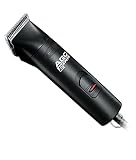
Andis UltraEdge Super 2-Speed Detachable Blade Clipper
Professional grade clippers that stay cool. Perfect for full body grooms and thick coats.
Nail Care

Miller's Forge Quality Nail Clipper
Used by professional groomers worldwide. Made of high-quality Italian stainless steel with a heavy-duty spring for clean, sharp cuts.
Expert Advice
How to Manage a High-Maintenance Coat
1
Invest in Quality Tools
A slicker brush, metal comb, undercoat rake, and sharp scissors make the difference between a pleasant grooming session and a painful ordeal for your dog. Cheap tools skip over mats and skip across coats without doing real work.
2
Establish a Routine Early
Puppies that are handled and gently brushed from their first weeks grow into dogs that tolerate grooming. Waiting until 6 months to introduce brushing means fighting an anxious adult dog — a far harder battle.
3
Learn Breed-Specific Techniques
Each breed's coat has unique characteristics. A double-coated Samoyed needs line brushing layer by layer, while a Poodle's curly coat demands a slicker brush followed by a metal comb all the way to the skin. Generic techniques don't work across all breeds.
4
Know When to Call a Professional
For any coat with significant mats, or for breeds with complex trim patterns, a professional groomer is the right choice. Attempting to de-mat a severely matted coat at home can be painful and even dangerous. Many professional groomers also offer lessons to help owners maintain coats between visits.
Shop the tools
Between pro appointments
Keep curly coats mat-free at home so every salon visit stays a trim — not a shave-down.
Brush
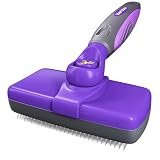
Hertzko Self-Cleaning Slicker Brush
An excellent entry-level brush that's easy to clean. Great for removing loose fur and detangling shorter coats.
Tool

Bio-Groom Ear-Fresh Medicated Ear Powder
Helps keep ears dry and reduces odor. Makes hair pulling easier for breeds that require ear plucking.
Explore More
Ready to dive deeper?
Browse our full library of breed-specific grooming guides, or use our quiz to find the right breed for your grooming comfort level.