Back to Tibetan Mastiff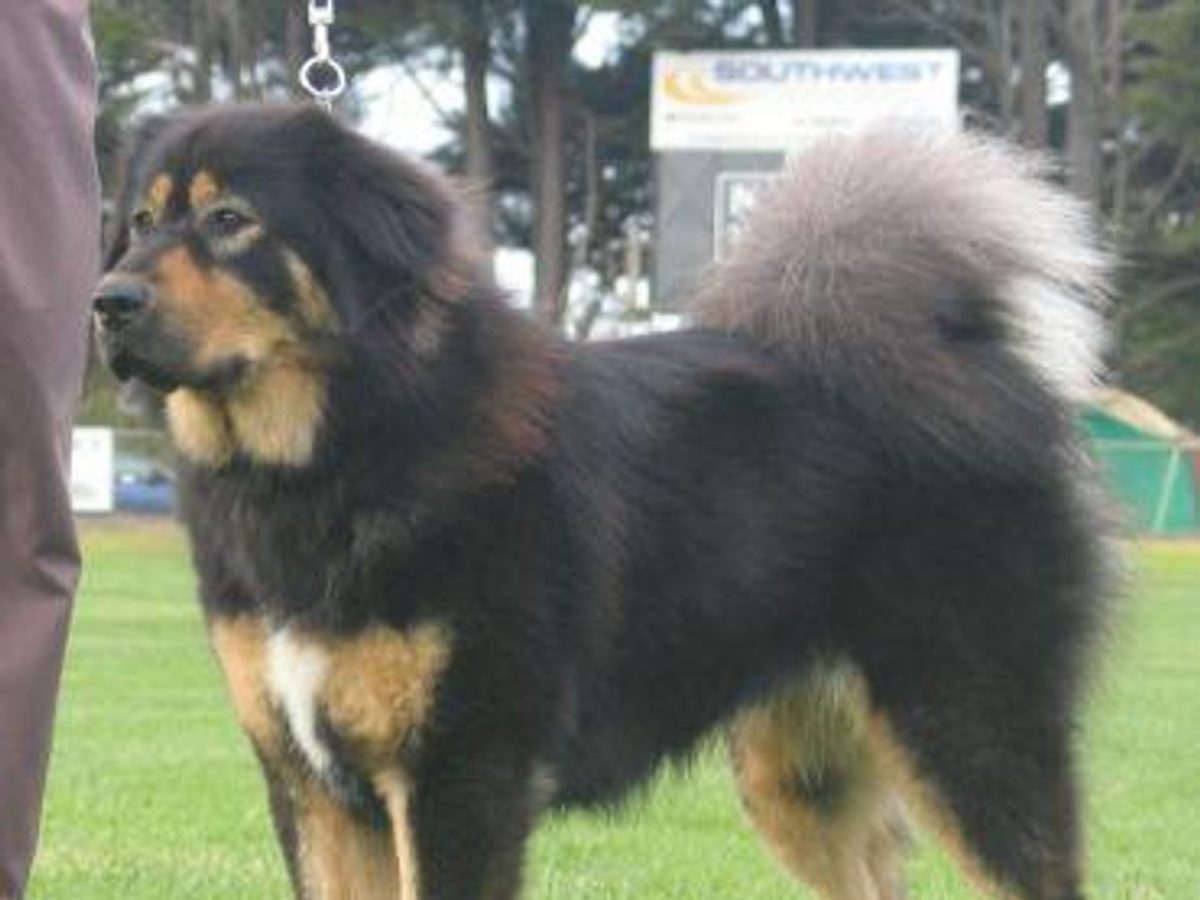
Ear Cleaning Guide
Expert Guide
Ear Cleaning Guide
for Tibetan Mastiffs
Why Tibetan Mastiff Ear Care Matters
Ear infections are one of the most common — and most preventable — grooming-related health issues in dogs. For the Tibetan Mastiff, ear anatomy and coat type interact: long, heavy ear leather and dense long, thick, hard outer coat with dense woolly undercoat (double coat), heavy mane feathering create a warm, moist environment where yeast and bacteria thrive. Check your Tibetan Mastiff's ears weekly during grooming — early redness or odor is far easier to treat than a full infection. Left untreated, ear infections cause pain, head shaking that can rupture blood vessels in the ear flap (aural hematoma), and chronic scarring that narrows the canal permanently.
How Often to Clean Your Tibetan Mastiff's Ears
Healthy Tibetan Mastiff ears need cleaning every 1–2 weeks as part of routine maintenance — not daily, which strips protective wax and irritates the canal. Increase frequency to weekly during swimming season, after baths, or if your dog has a history of ear issues. Breeds with hair growing inside the ear canal, common in long, thick, hard outer coat with dense woolly undercoat (double coat), heavy mane coats, may need professional ear plucking every every 4-6 weeks during shed season; every 8-12 weeks otherwise to keep the canal open — ask your groomer whether plucking or trimming is appropriate for your Tibetan Mastiff. Never clean ears that look red, swollen, or smell strongly yeasty — those symptoms mean infection, and cleaning can push debris deeper. See your vet first.
Gear for Tibetan Mastiff ear cleaning guide
Coat-matched picks — buy once, use every groom.
Brush

Chris Christensen Big G Slicker Brush
The gold standard for poodles and doodles. Features long pins that penetrate deep into dense coats to remove tangles and fluff the hair.
Nail Care

Miller's Forge Quality Nail Clipper
Used by professional groomers worldwide. Made of high-quality Italian stainless steel with a heavy-duty spring for clean, sharp cuts.
Proper Ear Cleaning Technique
Use only a veterinarian-approved ear cleaner — never hydrogen peroxide, alcohol, or water alone, all of which irritate the sensitive canal lining. Fill the ear canal with cleaner until you see it pool at the opening, massage the base of the ear for 20–30 seconds (you'll hear a squelching sound — that's correct), then let your Tibetan Mastiff shake their head vigorously. This shaking is essential — it brings dissolved wax and debris to the outer ear where you can wipe it away with cotton gauze or a soft cloth. Never insert cotton swabs into the canal; they push debris inward and can rupture the eardrum. Lift and hold the ear flap upright while cleaning to straighten the canal on the Tibetan Mastiff's heavy ears. Finish by drying the outer ear thoroughly; moisture left in the fold is a common infection trigger.
Signs of Ear Infection in Tibetan Mastiffs
Know the difference between dirty ears and infected ears. Dirty ears have visible brown wax at the opening but no odor, redness, or behavioral change. Infected ears smell distinctly yeasty or foul, show redness or swelling inside the canal, produce dark discharge, and cause your Tibetan Mastiff to scratch persistently, shake their head, or tilt it to one side. Any head tilt lasting more than a day, balance problems, or crying when the ear is touched requires same-day veterinary attention. Chronic infections in floppy-eared breeds often trace back to inconsistent cleaning or incomplete drying after water exposure — both are entirely preventable with a consistent routine.
Coat and Ear Hair Management
For the Tibetan Mastiff's long, thick, hard outer coat with dense woolly undercoat (double coat), heavy mane, hair inside and around the ear opening needs regular attention. Trim or pluck excess hair from the ear canal opening to improve airflow — your groomer can demonstrate the correct technique during your next every 4-6 weeks during shed season; every 8-12 weeks otherwise appointment. After every bath, place a cotton ball loosely in each ear during rinsing to prevent water entry, and remove it immediately after — never leave cotton in the ear. Never shave a Tibetan Mastiff — the double coat is essential for both heat and cold regulation; shaving causes serious thermal stress. A light dusting of ear powder before plucking (if your groomer recommends plucking) gives grip and reduces discomfort.
Pro Tip from Groomas
The annual coat blow produces an enormous volume of loose undercoat — daily brushing for 2-4 weeks is required to manage the shed without the undercoat matting against the skin.
S
Sarah Jordan
Verified ExpertCertified Master Groomer
With over 15 years of competitive grooming experience, Sarah ensures every guide on Groomas meets the highest professional standards.
Certified Master Groomer (CMG)AKC Safety Certified
Recommended Gear for Tibetan Mastiffs
Brush
Chris Christensen Big G Slicker Brush
The gold standard for poodles and doodles. Features long pins that penetrate deep into dense coats to remove tangles and fluff the hair.
Nail Care
Miller's Forge Quality Nail Clipper
Used by professional groomers worldwide. Made of high-quality Italian stainless steel with a heavy-duty spring for clean, sharp cuts.
Tool
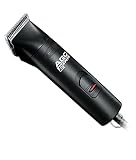
Andis UltraEdge Super 2-Speed Detachable Blade Clipper
Professional grade clippers that stay cool. Perfect for full body grooms and thick coats.