Back to Russian BlueWinter Coat Care Guide
Expert Guide
Winter Coat Care Guide
for Russian Blues
How Winter Affects Your Russian Blue's Coat
Cold air is dry air — and dry air pulls moisture out of your Russian Blue's short, dense, plush double coat, blue-gray with silver sheen, leading to flaking, dullness, and increased static. Central heating makes it worse indoors, creating an environment as dry as a desert for skin and coat. For double-coated breeds like the Russian Blue, the undercoat grows in denser in winter, which is natural and protective — but that extra density also traps more debris and dead hair, making regular grooming more important, not less. Expect to brush more frequently in winter, even for short-coated breeds, to distribute natural oils and prevent skin irritation.
Winter Grooming Adjustments
A Russian Blue's double coat provides excellent natural insulation — resist the urge to trim it short before winter. The coat's ability to trap warm air depends on its full structure, and cutting it short before winter removes that protection. Focus on deep-brushing to remove any trapped debris or matted undercoat, which reduces the coat's ability to trap warm air. After outdoor walks in wet or snowy conditions, dry thoroughly; a damp undercoat near frozen ground is a fast track to matting and skin issues. Professional grooming every every 6-8 weeks ensures the coat is properly maintained without compromising its natural winter function.
Gear for Russian Blue winter coat care guide
Coat-matched picks — buy once, use every groom.
Brush

Chris Christensen Big G Slicker Brush
The gold standard for poodles and doodles. Features long pins that penetrate deep into dense coats to remove tangles and fluff the hair.
Nail Care

Miller's Forge Quality Nail Clipper
Used by professional groomers worldwide. Made of high-quality Italian stainless steel with a heavy-duty spring for clean, sharp cuts.
Paw Care in Winter
Winter paw care for the Russian Blue goes beyond a quick wipe at the door. Ice and hard-packed snow between the paw pads cause discomfort and can lead to cracking, while road salt and ice-melt chemicals are chemical irritants that cause burns to the sensitive skin between the toes. After every winter walk, rinse the paws in a shallow tray of lukewarm water and dry thoroughly — paying special attention to between the toes where salt accumulates. Apply a paw balm or protective wax before cold-weather walks to create a moisture barrier against salt and ice. Check the paw pads weekly for cracking or redness, which signal that the skin barrier is breaking down and needs a conditioning balm routine.
Bathing in Cold Weather
Bathing frequency should drop slightly in winter — for most Russian Blues, stretching baths out by one to two weeks longer than your warm-weather schedule allows the skin's natural oil production to compensate for the extra dryness. When you do bathe in winter, always use a moisturizing or conditioning shampoo, and follow with a leave-in conditioner spray to lock in moisture. The most critical winter bathing rule is ensuring the coat is completely dry before the dog goes outside — a damp coat in freezing temperatures not only chills the dog rapidly but drives moisture directly into the undercoat where it can sit for hours and cause mats or skin inflammation. For the Russian Blue's dense coat, a high-velocity dryer cuts drying time dramatically compared to a standard blow-dryer — an investment that pays for itself in winter alone.
Combating Winter Dry Skin
Dry skin in winter has multiple causes, and addressing only one won't fully solve the problem. Diet is a powerful lever: adding omega-3 and omega-6 fatty acids through a fish oil supplement (dosed by body weight per the label) noticeably improves coat moisture and shine within 4–6 weeks. A cool-mist humidifier in the room where your Russian Blue sleeps helps counteract the drying effect of central heating. During grooming, a light conditioning spray applied to dry coat before brushing reduces static and coats each hair shaft with a thin moisture film. Distinguishing between normal winter dryness (mild flaking, dull coat, some static) and a problem requiring veterinary attention (large flakes with redness, hot spots, hair loss in patches, constant scratching or biting at skin) is important — if symptoms persist beyond two weeks of improved diet and at-home care, a vet visit to rule out allergies, fungal issues, or thyroid problems is the right next step.
Pro Tip from Groomas
Brush once or twice a week with a soft slicker brush or rubber grooming glove — the dense double coat is surprisingly low-shedding but benefits from regular loose hair removal.
Related Glossary Terms
Browse full glossaryS
Sarah Jordan
Verified ExpertCertified Master Groomer
With over 15 years of competitive grooming experience, Sarah ensures every guide on Groomas meets the highest professional standards.
Certified Master Groomer (CMG)AKC Safety Certified
Recommended Gear for Russian Blues
Brush
Chris Christensen Big G Slicker Brush
The gold standard for poodles and doodles. Features long pins that penetrate deep into dense coats to remove tangles and fluff the hair.
Nail Care
Miller's Forge Quality Nail Clipper
Used by professional groomers worldwide. Made of high-quality Italian stainless steel with a heavy-duty spring for clean, sharp cuts.
Brush
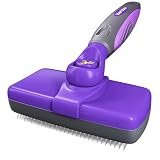
Hertzko Self-Cleaning Slicker Brush
An excellent entry-level brush that's easy to clean. Great for removing loose fur and detangling shorter coats.