Back to Nova Scotia Duck Tolling Retriever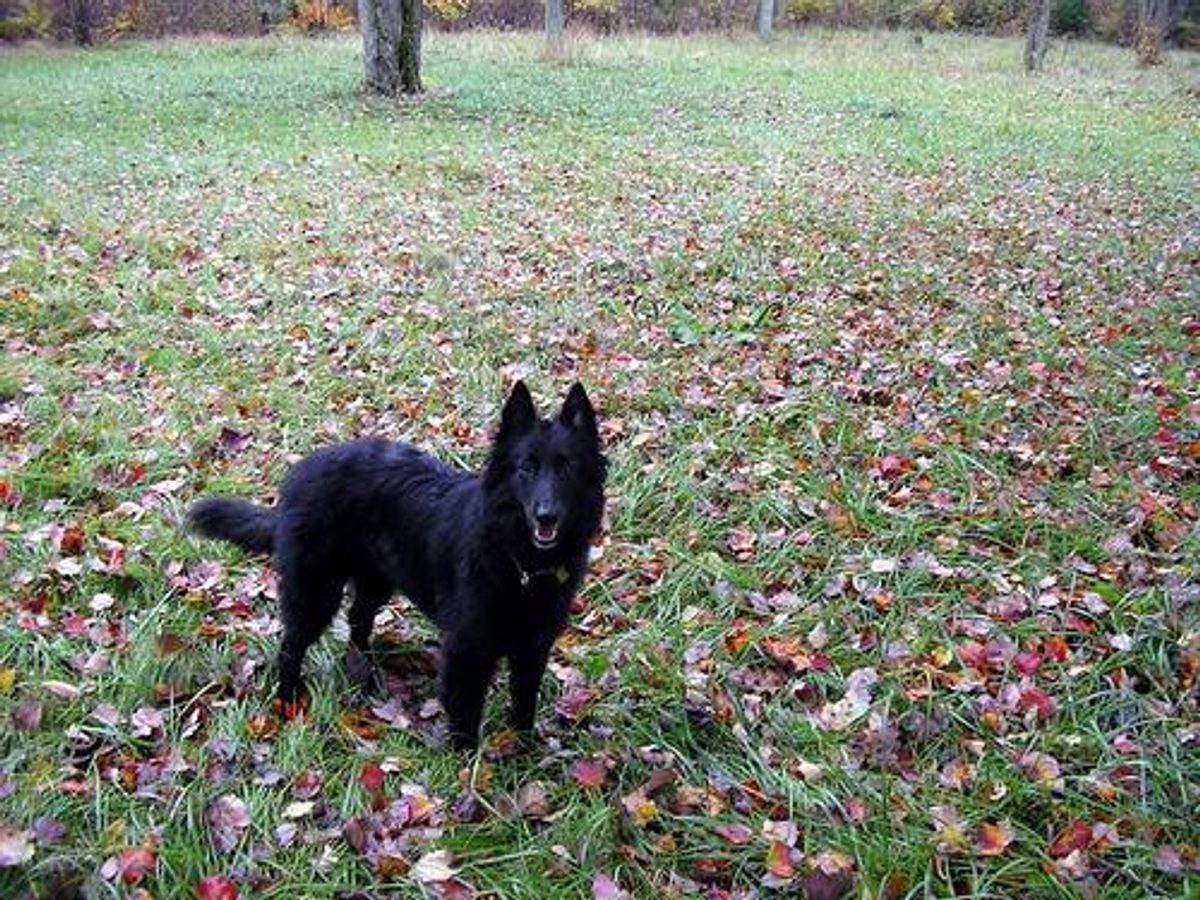
Professional vs DIY Grooming
Expert Guide
Professional vs DIY Grooming
for Nova Scotia Duck Tolling Retrievers
Can You Groom a Nova Scotia Duck Tolling Retriever at Home?
The honest answer depends on this breed's "Medium" rating and your willingness to invest in tools and practice. Nova Scotia Duck Tolling Retrievers rated Medium require consistent effort and the right tools, but most dedicated owners handle maintenance grooming at home successfully. The Nova Scotia Duck Tolling Retriever's medium-length, water-repellent double coat coat adds complexity — double coats need de-shedding technique that takes practice to do without damaging guard hairs. Brush 2–3 times per week with a slicker brush and finish with a metal comb — the medium-length feathering on the Toller's legs, neck ruff, and tail is the primary mat-risk area and should be combed through to the skin at every session.
What DIY Grooming Covers Well for Nova Scotia Duck Tolling Retrievers
These tasks are safe, effective, and cost-saving at home for most Nova Scotia Duck Tolling Retriever owners: daily or weekly brushing (the single highest-impact home task for a medium-length, water-repellent double coat coat), nail trimming with practice, ear cleaning with proper technique, teeth brushing, paw pad care, and spot bathing between full grooms. Double-coated Nova Scotia Duck Tolling Retrievers benefit enormously from home de-shedding between professional visits — an undercoat rake session every 3–4 days during blowout season reduces matting and extends time between salon de-shedding baths. every 6-8 weeks professional appointments handle what DIY can't — but the weeks between visits are entirely your responsibility.
Gear for Nova Scotia Duck Tolling Retriever professional vs diy grooming
Coat-matched picks — buy once, use every groom.
Nail Care

Miller's Forge Quality Nail Clipper
Used by professional groomers worldwide. Made of high-quality Italian stainless steel with a heavy-duty spring for clean, sharp cuts.
Brush
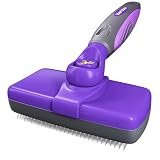
Hertzko Self-Cleaning Slicker Brush
An excellent entry-level brush that's easy to clean. Great for removing loose fur and detangling shorter coats.
What Professional Groomers Do Better for Nova Scotia Duck Tolling Retrievers
Professional groomers bring equipment, experience, and speed that home setups can't match. A grooming salon has high-velocity dryers that cut drying time by 75% on dense Nova Scotia Duck Tolling Retriever coats, hydraulic tables that reduce strain on both groomer and dog, and specialized clipper blades for breed-specific cuts. Even for easier breeds, professional sanitary trims, anal gland expression, and mat removal are tasks most owners prefer to delegate. Groomers also serve as a health checkpoint — they examine every inch of skin, find lumps, parasites, and ear infections that owners miss, and flag issues before they become serious. Tollers are relatively self-cleaning between baths — their natural coat oils repel surface dirt and the coat has minimal tendency to absorb odor compared to many sporting breeds. A rinse after muddy outings is usually sufficient between formal baths.
The Hybrid Approach: Best of Both for Nova Scotia Duck Tolling Retriever Owners
Most experienced Nova Scotia Duck Tolling Retriever owners use a hybrid model — the approach we recommend for breeds rated "Medium." You handle: brushing every 6-8 weeks or more, nail trims, ear cleaning, teeth care, and spot cleaning. Your groomer handles: full baths with professional drying, breed-appropriate haircuts, de-matting, sanitary trims, and deep de-shedding. During spring and fall blowouts, book an extra de-shedding bath at the salon while maintaining daily home brushing — this combination keeps the Nova Scotia Duck Tolling Retriever's coat manageable through the worst shedding. The goal is never needing an emergency groom — only scheduled maintenance.
Finding the Right Groomer for Your Nova Scotia Duck Tolling Retriever
Not every groomer handles every breed well — the Nova Scotia Duck Tolling Retriever's medium-length, water-repellent double coat coat and "Medium" rating mean you need someone with specific experience. Ask: "How many Nova Scotia Duck Tolling Retrievers do you groom regularly?" and "Are you comfortable with medium-length, water-repellent double coat coats?" Request photos of previous Nova Scotia Duck Tolling Retriever grooms. Visit the salon before booking — check cleanliness, ventilation, and how staff handle dogs. A good groomer will also teach you home maintenance techniques specific to the Nova Scotia Duck Tolling Retriever. Book the first appointment early in the week (Monday–Wednesday) so the groomer isn't rushed. Check for ear infections regularly — Tollers with floppy ears who work in water are predisposed to ear infections; clean the ears weekly and dry them thoroughly after swimming. Expect to pay $50–75 for a full Nova Scotia Duck Tolling Retriever groom and tip 15–20% for good service.
Pro Tip from Groomas
Brush 2–3 times per week with a slicker brush and finish with a metal comb — the medium-length feathering on the Toller's legs, neck ruff, and tail is the primary mat-risk area and should be combed through to the skin at every session.
S
Sarah Jordan
Verified ExpertCertified Master Groomer
With over 15 years of competitive grooming experience, Sarah ensures every guide on Groomas meets the highest professional standards.
Certified Master Groomer (CMG)AKC Safety Certified
Recommended Gear for Nova Scotia Duck Tolling Retrievers
Nail Care
Miller's Forge Quality Nail Clipper
Used by professional groomers worldwide. Made of high-quality Italian stainless steel with a heavy-duty spring for clean, sharp cuts.
Brush
Hertzko Self-Cleaning Slicker Brush
An excellent entry-level brush that's easy to clean. Great for removing loose fur and detangling shorter coats.
Brush

Mars Coat King Undercoat Rake
The ultimate tool for double-coated breeds. Strips dead undercoat without damaging the guard hairs.