Back to Nova Scotia Duck Tolling Retriever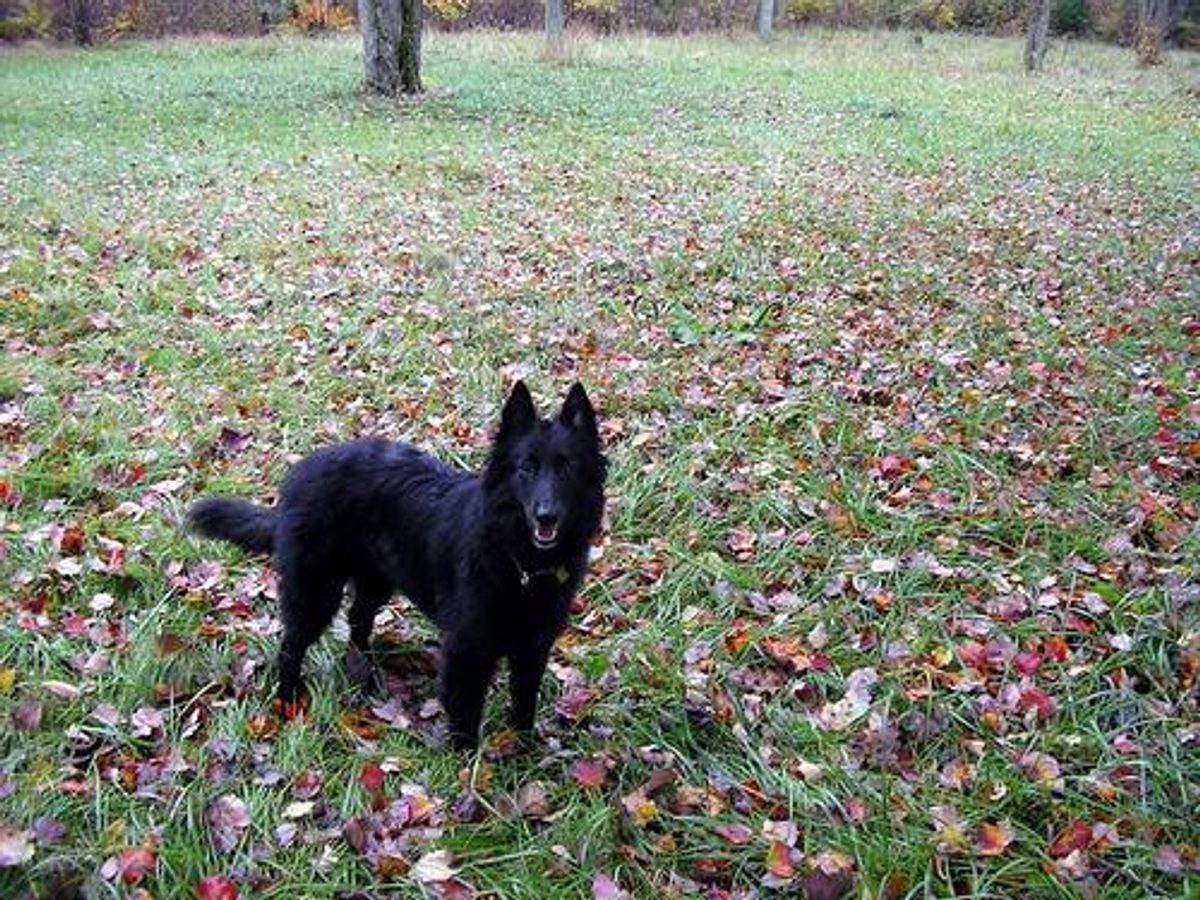
First-Time Owner Guide
Expert Guide
First-Time Owner Guide
for Nova Scotia Duck Tolling Retrievers
Getting Started with Nova Scotia Duck Tolling Retriever Grooming
Welcome to Nova Scotia Duck Tolling Retriever ownership — grooming is one of the most important skills you'll develop, and starting correctly prevents years of coat problems. The Nova Scotia Duck Tolling Retriever has a medium-length, water-repellent double coat coat rated "Medium" for grooming difficulty, with a recommended schedule of every 6-8 weeks. This breed requires consistent effort — start building habits from day one rather than waiting until the coat becomes unmanageable. Brush 2–3 times per week with a slicker brush and finish with a metal comb — the medium-length feathering on the Toller's legs, neck ruff, and tail is the primary mat-risk area and should be combed through to the skin at every session. The first month sets the tone for every grooming session that follows.
Your Essential First Grooming Kit for a Nova Scotia Duck Tolling Retriever
Don't buy everything at once — start with what this coat type actually needs. For the Nova Scotia Duck Tolling Retriever's double coat: an undercoat rake, a slicker brush, a greyhound comb, and a de-shedding shampoo. That's your core kit (~$60–80). Add a non-slip mat, styptic powder, and high-value treats to every kit. Tollers are relatively self-cleaning between baths — their natural coat oils repel surface dirt and the coat has minimal tendency to absorb odor compared to many sporting breeds. A rinse after muddy outings is usually sufficient between formal baths.
Gear for Nova Scotia Duck Tolling Retriever first-time owner guide
Coat-matched picks — buy once, use every groom.
Nail Care

Miller's Forge Quality Nail Clipper
Used by professional groomers worldwide. Made of high-quality Italian stainless steel with a heavy-duty spring for clean, sharp cuts.
Brush
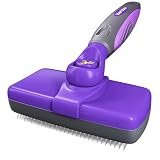
Hertzko Self-Cleaning Slicker Brush
An excellent entry-level brush that's easy to clean. Great for removing loose fur and detangling shorter coats.
Building a Grooming Routine for Your Nova Scotia Duck Tolling Retriever
Consistency beats intensity. Schedule grooming on the same day each week — most Nova Scotia Duck Tolling Retriever owners align with every 6-8 weeks professional appointments and fill gaps with home maintenance. A practical weekly routine: Day 1 — full brush-out (15–30 minutes depending on coat). Mid-week — quick mat check of ears, armpits, and collar zone (5 minutes). As needed — nail check, ear wipe, paw inspection. During shedding season or if your Nova Scotia Duck Tolling Retriever swims, add an extra brush session — medium-length, water-repellent double coat coats mat fast when wet. Keep a grooming log on your phone — track dates, what you did, and anything unusual (skin changes, sensitivity, mat locations). This log is invaluable when your groomer or vet asks about history.
Common First-Timer Mistakes with Nova Scotia Duck Tolling Retrievers
Every new owner makes these — knowing them in advance saves your Nova Scotia Duck Tolling Retriever's coat. Mistake 1: brushing only the top coat. Always line-brush from skin outward in sections. Mistake 2: bathing without brushing first — water sets tangles into mats. Mistake 3: shaving the double coat in summer. Never. Mistake 4: waiting until nails click on the floor — by then the quick has extended and trimming is harder. Mistake 5: using human products on dog skin. Mistake 6: grooming only when the dog looks dirty — by then problems are established. Check for ear infections regularly — Tollers with floppy ears who work in water are predisposed to ear infections; clean the ears weekly and dry them thoroughly after swimming. Mistake 7: giving up after one bad session — puppies improve with patience and treats.
When to Book Your First Professional Groom
Book the first professional appointment within the first 2–4 weeks of ownership — not because the puppy needs a full groom, but to establish the salon relationship early. Puppies who visit the groomer at 8–12 weeks for a bath, nail trim, and gentle handling session grow into adults who tolerate grooming calmly. Many Nova Scotia Duck Tolling Retriever owners handle basics at home and book professionals every every 6-8 weeks for a thorough tidy. Ask the groomer to walk you through what they're doing — good groomers welcome engaged owners and will teach you home maintenance specific to your Nova Scotia Duck Tolling Retriever's medium-length, water-repellent double coat.
Pro Tip from Groomas
Brush 2–3 times per week with a slicker brush and finish with a metal comb — the medium-length feathering on the Toller's legs, neck ruff, and tail is the primary mat-risk area and should be combed through to the skin at every session.
S
Sarah Jordan
Verified ExpertCertified Master Groomer
With over 15 years of competitive grooming experience, Sarah ensures every guide on Groomas meets the highest professional standards.
Certified Master Groomer (CMG)AKC Safety Certified
Recommended Gear for Nova Scotia Duck Tolling Retrievers
Nail Care
Miller's Forge Quality Nail Clipper
Used by professional groomers worldwide. Made of high-quality Italian stainless steel with a heavy-duty spring for clean, sharp cuts.
Brush
Hertzko Self-Cleaning Slicker Brush
An excellent entry-level brush that's easy to clean. Great for removing loose fur and detangling shorter coats.
Brush

Mars Coat King Undercoat Rake
The ultimate tool for double-coated breeds. Strips dead undercoat without damaging the guard hairs.