Back to Italian Greyhound
Allergy & Skin Care Guide
Expert Guide
Allergy & Skin Care Guide
for Italian Greyhounds
Skin Sensitivity in Italian Greyhounds
Skin health and coat health are inseparable — a Italian Greyhound with irritated skin will have a dull, brittle, or excessively oily coat regardless of brushing quality. very short, fine, silky single coat coats offer less protection, leaving the Italian Greyhound's skin more exposed to environmental allergens, sun, and contact irritants. The Italian Greyhound's extremely thin skin and almost non-existent coat offer no protection from abrasions; after bathing, dry the dog gently with a warm towel — avoid hot air from dryers held too close, as the skin burns easily. Grooming every every 8-10 weeks gives you regular hands-on contact with the skin, making you the first line of defense.
Identifying Allergic Reactions in Your Italian Greyhound
Canine allergies fall into three categories: environmental (pollen, dust mites, mold), food (protein sources, grains), and contact (shampoo, bedding, lawn chemicals). Signs overlap — itchy skin, red ears, paw licking, face rubbing, and recurrent ear infections are the most common. On the Italian Greyhound's very short, fine, silky single coat, you'll see redness and bumps directly — short coats don't hide symptoms. Seasonal patterns suggest environmental allergies; year-round itching with GI symptoms suggests food. Contact allergies often appear exactly where the irritant touches — belly from lying on treated grass, ears from a new cleaner. Keep a symptom diary: date, location, severity, and what changed (new food, shampoo, season). This data helps your vet diagnose faster.
Gear for Italian Greyhound allergy & skin care guide
Coat-matched picks — buy once, use every groom.
Nail Care

Miller's Forge Quality Nail Clipper
Used by professional groomers worldwide. Made of high-quality Italian stainless steel with a heavy-duty spring for clean, sharp cuts.
Brush
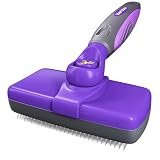
Hertzko Self-Cleaning Slicker Brush
An excellent entry-level brush that's easy to clean. Great for removing loose fur and detangling shorter coats.
Grooming Adjustments for Sensitive Italian Greyhound Skin
When skin is reactive, less is more. Switch to a hypoallergenic, fragrance-free, oatmeal-based shampoo and reduce bath frequency by one week until inflammation calms. Use a soft rubber brush instead of stiff bristles on irritated Italian Greyhound skin. Rinse twice as long as you shampoo — residue is a common contact allergen. After bathing, pat dry; don't rub inflamed areas. Apply a vet-recommended medicated spray or leave-in conditioner if prescribed. The Italian Greyhound's extremely thin skin and almost non-existent coat offer no protection from abrasions; after bathing, dry the dog gently with a warm towel — avoid hot air from dryers held too close, as the skin burns easily. Between baths, wipe affected areas with a damp cloth to remove allergens without stripping oils.
Hot Spots and Coat-Related Irritation
Hot spots (acute moist dermatitis) start as a small itchy patch and expand into a raw, oozing lesion within hours — often triggered by moisture trapped under the coat after swimming, bathing, or heavy rain. Even on the Italian Greyhound's very short, fine, silky single coat, moisture trapped against skin after incomplete drying is the most common hot spot trigger. If you find a hot spot: clip the hair around it (don't shave the whole dog), clean gently with chlorhexidine solution, keep it dry and open to air, and prevent licking with a cone. Do not apply human creams. every 8-10 weeks grooming that includes thorough drying prevents most hot spots before they start. Recurring hot spots in the same area warrant a vet visit to rule out underlying allergy or infection.
When to See a Vet About Your Italian Greyhound's Skin
Home grooming can manage mild, seasonal dryness — but certain symptoms need professional diagnosis. See your vet if: itching persists beyond 2 weeks despite grooming changes; hair loss appears in patches; skin develops a foul odor; your Italian Greyhound scratches to the point of bleeding; ear infections recur monthly; or paw licking becomes obsessive. Your groomer can often spot skin issues before you do during a thorough every 8-10 weeks session. Common diagnoses include atopic dermatitis (environmental allergies), food allergies, yeast overgrowth, bacterial pyoderma, and mange — all treatable once identified. The breed is highly cold-sensitive due to the lack of insulating coat and very low body fat; dry the dog completely after bathing and keep them warm during and after grooming sessions — especially in cooler weather.
Pro Tip from Groomas
The Italian Greyhound's extremely thin skin and almost non-existent coat offer no protection from abrasions; after bathing, dry the dog gently with a warm towel — avoid hot air from dryers held too close, as the skin burns easily.
S
Sarah Jordan
Verified ExpertCertified Master Groomer
With over 15 years of competitive grooming experience, Sarah ensures every guide on Groomas meets the highest professional standards.
Certified Master Groomer (CMG)AKC Safety Certified
Recommended Gear for Italian Greyhounds
Nail Care
Miller's Forge Quality Nail Clipper
Used by professional groomers worldwide. Made of high-quality Italian stainless steel with a heavy-duty spring for clean, sharp cuts.
Brush
Hertzko Self-Cleaning Slicker Brush
An excellent entry-level brush that's easy to clean. Great for removing loose fur and detangling shorter coats.
Shampoo

TropiClean PerfectFur Whitening & Brightening Shampoo
Naturally whitens and brightens white coats without bleach or harsh chemicals.