Back to Greater Swiss Mountain Dog
Shedding Season Survival
Expert Guide
Shedding Season Survival
for Greater Swiss Mountain Dogs
Greater Swiss Mountain Dog Shedding: What to Expect
Twice a year — typically spring and fall — a Greater Swiss Mountain Dog "blows" their undercoat in a heavy shed that lasts 2–4 weeks. During this period, the volume of loose fur is dramatic and can feel relentless no matter how much you brush. Daily brushing is essential during a blowout; skipping even a few days can lead to dense mats forming as shed hair tangles with the live coat and gets compressed against the skin. Many owners are alarmed the first time they see a double-coated dog blow their coat, but it's a completely natural process — what comes out is dead undercoat being replaced by a new growth cycle.
Surviving the Shedding Season
The single most effective step is increasing brushing frequency to daily during peak shed. Use a de-shedding tool (like a Furminator or undercoat rake for double-coated breeds, or a rubber curry brush for shorter coats) to pull loose fur from the coat before it falls out on its own. For the Greater Swiss Mountain Dog, a warm bath with a de-shedding shampoo followed by a thorough blow-out with a high-velocity dryer can remove the equivalent of weeks of brush sessions in a single afternoon — the force of the dryer physically ejects loose undercoat at a volume that is hard to believe until you see it. For Greater Swiss Mountain Dogs, we recommend every 6-8 weeks professional baths during shedding peaks to stay ahead of accumulation.
Gear for Greater Swiss Mountain Dog shedding season survival
Coat-matched picks — buy once, use every groom.
Brush

Chris Christensen Big G Slicker Brush
The gold standard for poodles and doodles. Features long pins that penetrate deep into dense coats to remove tangles and fluff the hair.
Nail Care

Miller's Forge Quality Nail Clipper
Used by professional groomers worldwide. Made of high-quality Italian stainless steel with a heavy-duty spring for clean, sharp cuts.
The De-Shedding Bath Method
A proper de-shedding bath follows a specific sequence that dramatically increases how much shed hair you remove. Start by thoroughly saturating the coat with warm water — a double coat repels water initially, so take longer than you think necessary. Apply a de-shedding shampoo, working it all the way to the skin with your fingers, and let it sit for 5 minutes to loosen the bond between dead and live hairs. Rinse completely, then apply a de-shedding conditioner and leave it in for another 3–5 minutes before a final thorough rinse. The step most people skip is the drying: a high-velocity dryer (or a forced-air dryer at a grooming salon) physically blasts loose hair out of the coat — this single step can remove more fur than a week of brushing. After the coat is fully dry, a final brush-through removes whatever remains.
Home Management Between Grooms
Between grooming sessions, keeping shedding manageable in your home is a matter of the right tools used consistently. Furniture covers or washable throws on your Greater Swiss Mountain Dog's favorite spots are the easiest intervention — they can be laundered rather than fighting pet hair out of upholstery. A HEPA-filter vacuum with a motorized pet brush attachment picks up significantly more embedded hair than a standard vacuum head. Rubber brush attachments for vacuum hoses are excellent on upholstery. For clothing, a slightly damp rubber glove run over fabric lifts pet hair better than most lint rollers. A HEPA air purifier in rooms where the dog spends the most time reduces the airborne hair load that settles on surfaces. These aren't permanent solutions, but they make shedding season livable.
When Shedding Becomes a Problem
There is a meaningful difference between heavy seasonal shedding and shedding that signals a health issue. Normal shedding, even during a heavy blowout, is uniform across the body — the coat thins generally but no bald patches appear. Concerning shedding includes circular patches of hair loss, bald spots that don't regrow after shedding season ends, areas of red or inflamed skin under the shed zones, the dog scratching or biting at specific spots obsessively, or greasy, flaky skin accompanying the hair loss. For the Greater Swiss Mountain Dog, any of these symptoms persisting beyond 2–3 weeks warrant a veterinary visit — they can signal allergies, hormonal imbalances like hypothyroidism or Cushing's disease, fungal infections, or nutritional deficiencies, all of which are treatable once diagnosed.
Pro Tip from Groomas
Greater Swiss Mountain Dogs shed moderately year-round and heavily during seasonal coat changes — a rubber curry brush or undercoat rake used twice weekly between baths significantly reduces the amount of loose fur deposited around the home.
Related Glossary Terms
Browse full glossaryS
Sarah Jordan
Verified ExpertCertified Master Groomer
With over 15 years of competitive grooming experience, Sarah ensures every guide on Groomas meets the highest professional standards.
Certified Master Groomer (CMG)AKC Safety Certified
Recommended Gear for Greater Swiss Mountain Dogs
Brush
Chris Christensen Big G Slicker Brush
The gold standard for poodles and doodles. Features long pins that penetrate deep into dense coats to remove tangles and fluff the hair.
Nail Care
Miller's Forge Quality Nail Clipper
Used by professional groomers worldwide. Made of high-quality Italian stainless steel with a heavy-duty spring for clean, sharp cuts.
Brush
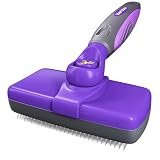
Hertzko Self-Cleaning Slicker Brush
An excellent entry-level brush that's easy to clean. Great for removing loose fur and detangling shorter coats.