Back to Staffordshire Bull Terrier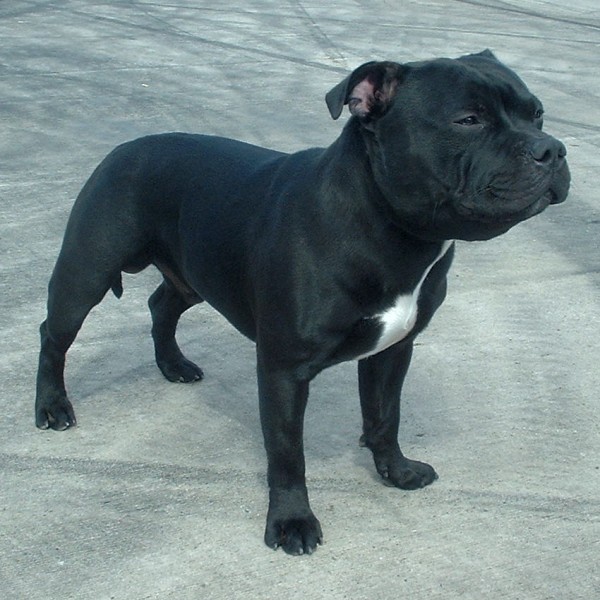
Dental Care Guide
Expert Guide
Dental Care Guide
for Staffordshire Bull Terriers
Dental Health and Your Staffordshire Bull Terrier's Overall Wellbeing
Dental disease affects more than the mouth — bacteria from infected gums enter the bloodstream and contribute to heart, kidney, and liver disease. For the Staffordshire Bull Terrier, oral health connects directly to grooming: a dog in dental pain won't tolerate face handling, making every brush session around the muzzle a battle. Check your Staffordshire Bull Terrier's teeth weekly during routine coat care. Bad breath isn't normal — it's the first sign of bacterial overgrowth. Start dental care early so your Staffordshire Bull Terrier accepts mouth handling as part of the grooming routine. By age three, most dogs show some periodontal disease if home care is neglected.
At-Home Dental Care Routine for Staffordshire Bull Terriers
Daily brushing is the gold standard — use a dog-specific toothpaste (never human toothpaste, which contains xylitol and fluoride toxic to dogs) and a soft finger brush or angled dog toothbrush. Lift the lip and brush in small circular motions along the gum line, focusing on the outer surfaces of the back molars where tartar accumulates fastest. If daily brushing isn't realistic, aim for 3–4 times weekly — consistency matters more than perfection. Smaller and short-coated breeds like many Staffordshire Bull Terriers often accept finger brushes more readily than full toothbrushes. Dental chews approved by the Veterinary Oral Health Council (VOHC) supplement brushing but don't replace it. Water additives and dental gels provide marginal benefit — treat them as extras, not substitutes.
Gear for Staffordshire Bull Terrier dental care guide
Coat-matched picks — buy once, use every groom.
Nail Care

Miller's Forge Quality Nail Clipper
Used by professional groomers worldwide. Made of high-quality Italian stainless steel with a heavy-duty spring for clean, sharp cuts.
Brush
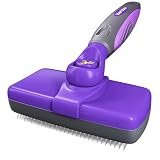
Hertzko Self-Cleaning Slicker Brush
An excellent entry-level brush that's easy to clean. Great for removing loose fur and detangling shorter coats.
Signs of Dental Problems in Your Staffordshire Bull Terrier
Inspect during every grooming session. Healthy gums are pink and firm; red, swollen, or bleeding gums indicate gingivitis. Yellow-brown tartar on the tooth surface, loose teeth, difficulty eating, drooling, pawing at the mouth, and reluctance to play with chew toys are all warning signs. Lift the jowls on your Staffordshire Bull Terrier and look at the back molars, where problems start first. Chronic bad breath that doesn't improve with brushing suggests infection below the gum line — only a professional cleaning under anesthesia can address it. Small-breed dogs and breeds with crowded teeth are more prone to dental disease, so Staffordshire Bull Terrier owners should be especially vigilant regardless of coat type.
Professional Dental Cleaning for Staffordshire Bull Terriers
Professional dental cleanings under anesthesia are necessary when tartar has hardened below the gum line — no amount of home brushing removes calcified deposits. Most Staffordshire Bull Terriers need a professional cleaning every 1–3 years, depending on home care quality and individual genetics. The procedure includes scaling above and below the gum line, polishing, and dental X-rays to detect hidden problems. Cost typically runs $300–700 depending on region and whether extractions are needed. every 6-8 weeks grooming appointments are a good time to ask your groomer about tooth condition — they handle the face regularly and can flag tartar buildup before it becomes advanced. Many veterinary clinics offer dental health assessments during annual checkups; take advantage of these.
Dental-Friendly Grooming Tips for Staffordshire Bull Terrier Owners
Integrate mouth handling into coat grooming so your Staffordshire Bull Terrier doesn't associate face touch exclusively with tooth brushing. During every session, briefly lift the lip, touch the gums, and reward calm behavior — this desensitization makes dedicated dental sessions easier. Wipe the Staffordshire Bull Terrier's mouth area with a damp cloth after meals to remove food residue. Choose appropriate chew toys — hard bones and antlers fracture teeth; VOHC-approved dental chews are safer. Use a rubber curry brush or grooming mitt weekly between baths to remove the short, sharp shed hairs before they embed in furniture — Staffie shed hairs work their way into upholstery like tiny needles and are harder to remove than the shed of most long-haired breeds. Coordinate dental care with your every 6-8 weeks grooming schedule for consistency.
Pro Tip from Groomas
Use a rubber curry brush or grooming mitt weekly between baths to remove the short, sharp shed hairs before they embed in furniture — Staffie shed hairs work their way into upholstery like tiny needles and are harder to remove than the shed of most long-haired breeds.
S
Sarah Jordan
Verified ExpertCertified Master Groomer
With over 15 years of competitive grooming experience, Sarah ensures every guide on Groomas meets the highest professional standards.
Certified Master Groomer (CMG)AKC Safety Certified
Recommended Gear for Staffordshire Bull Terriers
Nail Care
Miller's Forge Quality Nail Clipper
Used by professional groomers worldwide. Made of high-quality Italian stainless steel with a heavy-duty spring for clean, sharp cuts.
Brush
Hertzko Self-Cleaning Slicker Brush
An excellent entry-level brush that's easy to clean. Great for removing loose fur and detangling shorter coats.
Brush

FURminator Short Hair deShedding Tool for Dogs & Cats
Specifically engineered for short-coated breeds with double coats. The stainless steel edge reaches through the topcoat to pull out loose undercoat fur before it ends up on your furniture. A must-have for Labs, Beagles, Boxers, and short-haired cats during shedding season.