Back to Quaker Parrot (Monk Parakeet)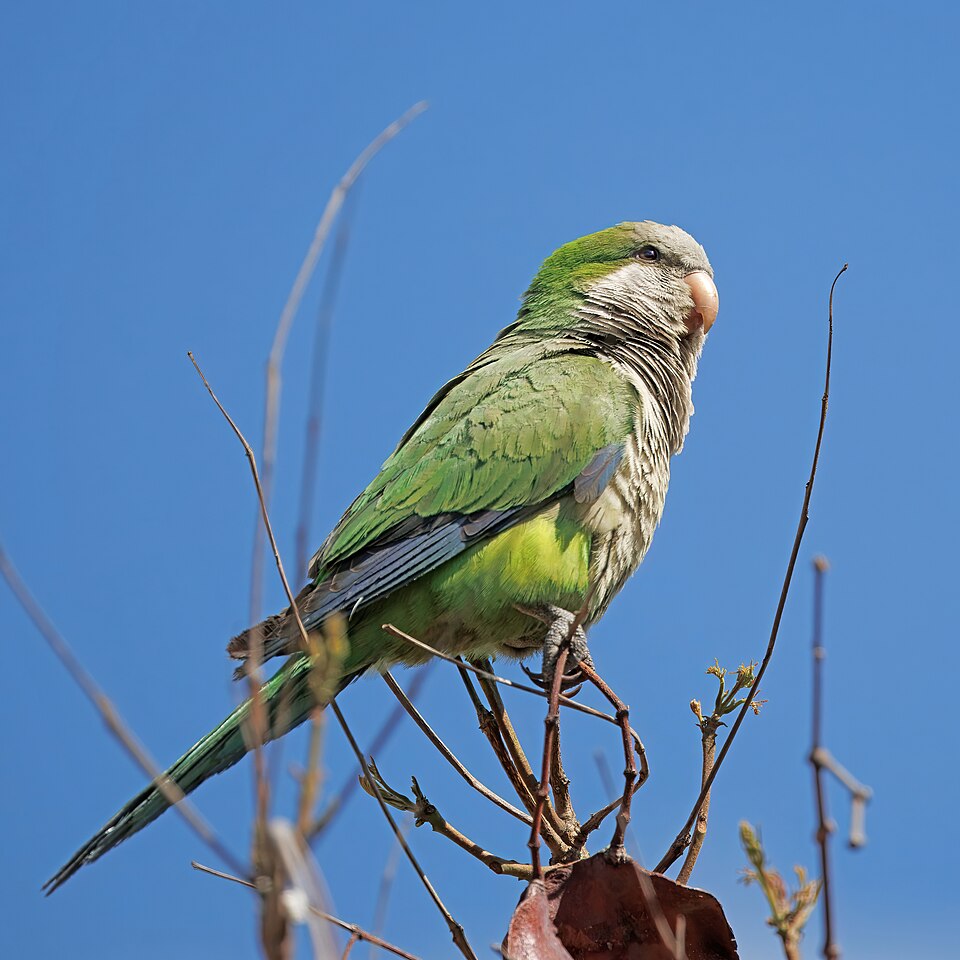
Hypoallergenic Coat Guide
Expert Guide
Hypoallergenic Coat Guide
for Quaker Parrot (Monk Parakeet)s
Is the Quaker Parrot (Monk Parakeet) Hypoallergenic?
No dog breed is truly hypoallergenic — all dogs produce dander, saliva, and urine proteins that trigger allergies in sensitive people. However, some breeds produce and shed less of these allergens than others, and the Quaker Parrot (Monk Parakeet) falls on the moderate-to-higher end for allergen spread — smooth contour feathers, moderate powder down coats shed steadily and release dander with each hair that falls. What matters most for allergy sufferers isn't marketing labels but consistent grooming that removes allergen-carrying particles before they circulate. nails every 4-6 weeks, bathing weekly professional grooming plus regular home brushing makes a measurable difference in airborne allergen levels.
Shedding and Dander Reality for Quaker Parrot (Monk Parakeet)s
Short-coated Quaker Parrot (Monk Parakeet)s shed year-round in a steady stream — less dramatic than a seasonal blowout but constant, which can be harder on allergy sufferers who never get a break. Dander — microscopic skin flakes — is the primary allergen, not the hair itself. Bathing every 4–6 weeks with a gentle, hypoallergenic shampoo reduces surface dander significantly. Quaker parrots are illegal to own in some US states — verify local laws before acquiring.
Gear for Quaker Parrot (Monk Parakeet) hypoallergenic coat guide
Coat-matched picks — buy once, use every groom.
Nail Care

Miller's Forge Quality Nail Clipper
Used by professional groomers worldwide. Made of high-quality Italian stainless steel with a heavy-duty spring for clean, sharp cuts.
Brush
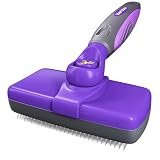
Hertzko Self-Cleaning Slicker Brush
An excellent entry-level brush that's easy to clean. Great for removing loose fur and detangling shorter coats.
Reducing Allergens at Home with a Quaker Parrot (Monk Parakeet)
Environmental management matters as much as coat care. Run a HEPA air purifier in rooms where your Quaker Parrot (Monk Parakeet) spends the most time — it captures airborne dander and hair before you breathe it. Wash the dog's bedding weekly in hot water. Use washable furniture covers on favorite resting spots. Even 5 minutes of daily brushing on the Quaker Parrot (Monk Parakeet) outdoors dramatically reduces indoor allergen load. Hard flooring is easier to keep allergen-free than carpet — if you have rugs, vacuum with a HEPA-filter machine at least twice weekly. Designate allergy-free zones (bedrooms) and keep the Quaker Parrot (Monk Parakeet) out of them.
Grooming for Allergy Sufferers
The person with allergies should not be the primary groomer if possible — grooming releases concentrated dander into the air. If you must groom your Quaker Parrot (Monk Parakeet) yourself, wear a mask, groom outdoors or in a well-ventilated garage, and shower immediately afterward. Schedule professional baths every nails every 4-6 weeks, bathing weekly — the high-velocity dryer at a grooming salon physically ejects dander-laden hair and skin particles more effectively than home tools. Wipe your Quaker Parrot (Monk Parakeet) down with a damp microfiber cloth or pet wipe between baths to remove surface dander without a full wash. Keep grooming tools clean — brushes loaded with old hair and dander redeposit allergens every session.
Living with Allergies and a Quaker Parrot (Monk Parakeet)
Many allergy sufferers successfully live with dogs by combining grooming discipline with medical management. Spend time with a Quaker Parrot (Monk Parakeet) before committing — allergy severity varies by individual dog, not just breed. Consistent home brushing nails every 4-6 weeks, bathing weekly keeps the Quaker Parrot (Monk Parakeet) manageable for most mild-to-moderate allergy sufferers. Consult an allergist about immunotherapy (allergy shots) if symptoms persist despite grooming and environmental controls. Strong fliers even with clips — check wing feather regrowth after every molt. With the right routine, many families keep their Quaker Parrot (Monk Parakeet) and their comfort.
Pro Tip from Groomas
Quaker parrots are illegal to own in some US states — verify local laws before acquiring.
S
Sarah Jordan
Verified ExpertCertified Master Groomer
With over 15 years of competitive grooming experience, Sarah ensures every guide on Groomas meets the highest professional standards.
Certified Master Groomer (CMG)AKC Safety Certified
Recommended Gear for Quaker Parrot (Monk Parakeet)s
Nail Care
Miller's Forge Quality Nail Clipper
Used by professional groomers worldwide. Made of high-quality Italian stainless steel with a heavy-duty spring for clean, sharp cuts.
Brush
Hertzko Self-Cleaning Slicker Brush
An excellent entry-level brush that's easy to clean. Great for removing loose fur and detangling shorter coats.
Brush

FURminator Short Hair deShedding Tool for Dogs & Cats
Specifically engineered for short-coated breeds with double coats. The stainless steel edge reaches through the topcoat to pull out loose undercoat fur before it ends up on your furniture. A must-have for Labs, Beagles, Boxers, and short-haired cats during shedding season.