Back to Greater Swiss Mountain Dog
Flea & Tick Prevention
Expert Guide
Flea & Tick Prevention
for Greater Swiss Mountain Dogs
Parasite Risk for Greater Swiss Mountain Dogs
Fleas and ticks aren't just itchy nuisances — they transmit diseases including Lyme disease, ehrlichiosis, anaplasmosis, and tapeworms. The Greater Swiss Mountain Dog's short to medium, dense, double coat — tricolor provides excellent hiding places for parasites — fleas and ticks burrow into the dense undercoat where they're invisible until the infestation is established. Year-round prevention is recommended in most climates — fleas survive indoors year-round even in cold regions. A single flea can lay 50 eggs daily; by the time you see one flea on your Greater Swiss Mountain Dog, the environmental infestation may already be established in bedding, carpets, and furniture.
Coat-Friendly Prevention Methods for Greater Swiss Mountain Dogs
Choose prevention that won't damage the Greater Swiss Mountain Dog's short to medium, dense, double coat — tricolor or interfere with professional grooming. Topical spot-on treatments (applied to the skin between shoulder blades) are effective but leave a greasy residue for 24–48 hours — schedule application at least 2 days before bathing or grooming. Oral chews (monthly or quarterly) avoid coat contact entirely and are ideal for breeds that bathe frequently. Flea collars have improved significantly — Seresto and similar brands provide 6–8 months of protection without the greasy residue of older products. Never double-dose prevention products — combining topical and oral without veterinary guidance can cause toxicity. Consult your vet for a prevention plan matched to your region's parasite prevalence.
Gear for Greater Swiss Mountain Dog flea & tick prevention
Coat-matched picks — buy once, use every groom.
Brush

Chris Christensen Big G Slicker Brush
The gold standard for poodles and doodles. Features long pins that penetrate deep into dense coats to remove tangles and fluff the hair.
Nail Care

Miller's Forge Quality Nail Clipper
Used by professional groomers worldwide. Made of high-quality Italian stainless steel with a heavy-duty spring for clean, sharp cuts.
Checking Your Greater Swiss Mountain Dog After Outdoor Exposure
Make tick checks part of your post-walk grooming routine — it takes 2 minutes and prevents disease transmission. Run your hands over the entire body, feeling for small bumps against the skin. Pay special attention to ears, under the collar, armpits, groin, between toes, and around the tail base — ticks prefer warm, protected areas. On the Greater Swiss Mountain Dog's short to medium, dense, double coat — tricolor, part the hair and inspect the skin directly — a thorough visual check misses ticks hidden in dense coat. For fleas, look for flea dirt (black specks that turn red-brown when wet on a white paper towel) at the base of the tail and along the spine. A flea comb run through the coat catches both fleas and flea dirt. Remove attached ticks with a tick removal tool or fine-tipped tweezers — grasp at the skin line and pull straight up without twisting.
Treating Infestations Without Damaging the Coat
If fleas or ticks are found on your Greater Swiss Mountain Dog, act quickly but carefully. A flea bath with a vet-recommended flea shampoo kills adult fleas on contact but doesn't address eggs in the environment — you must treat the home simultaneously (wash all bedding in hot water, vacuum thoroughly, consider a household flea spray). After a flea bath on the Greater Swiss Mountain Dog's double coat, a thorough blow-dry with a high-velocity dryer removes dead fleas and flea dirt trapped in the undercoat. Never use dog flea products on cats in the same household, and vice versa — species-specific formulations exist for safety reasons. If infestation persists after home treatment, your vet can prescribe stronger interventions. every 6-8 weeks professional grooming includes a thorough coat inspection that often catches parasites owners miss.
Seasonal Prevention Calendar for Greater Swiss Mountain Dog Owners
Adjust prevention intensity by season and region. Spring and summer are peak flea and tick season in most of the US — ensure your Greater Swiss Mountain Dog is on full prevention from March through November at minimum. During the Greater Swiss Mountain Dog's spring coat blowout, increased brushing removes flea dirt and makes skin inspection easier — combine de-shedding sessions with parasite checks. Fall tick activity often surges (especially adult deer ticks) — don't stop prevention when summer ends. Winter: fleas survive indoors year-round; if your Greater Swiss Mountain Dog visits dog parks, daycare, or grooming salons, maintain prevention even in January. After any boarding, grooming, or dog park visit, do a full parasite check before your Greater Swiss Mountain Dog enters the house. Greater Swiss Mountain Dogs shed moderately year-round and heavily during seasonal coat changes — a rubber curry brush or undercoat rake used twice weekly between baths significantly reduces the amount of loose fur deposited around the home. Coordinate with your every 6-8 weeks grooming schedule so baths don't wash off topical treatments prematurely.
Pro Tip from Groomas
Greater Swiss Mountain Dogs shed moderately year-round and heavily during seasonal coat changes — a rubber curry brush or undercoat rake used twice weekly between baths significantly reduces the amount of loose fur deposited around the home.
S
Sarah Jordan
Verified ExpertCertified Master Groomer
With over 15 years of competitive grooming experience, Sarah ensures every guide on Groomas meets the highest professional standards.
Certified Master Groomer (CMG)AKC Safety Certified
Recommended Gear for Greater Swiss Mountain Dogs
Brush
Chris Christensen Big G Slicker Brush
The gold standard for poodles and doodles. Features long pins that penetrate deep into dense coats to remove tangles and fluff the hair.
Nail Care
Miller's Forge Quality Nail Clipper
Used by professional groomers worldwide. Made of high-quality Italian stainless steel with a heavy-duty spring for clean, sharp cuts.
Brush
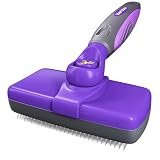
Hertzko Self-Cleaning Slicker Brush
An excellent entry-level brush that's easy to clean. Great for removing loose fur and detangling shorter coats.