Back to Great Pyrenees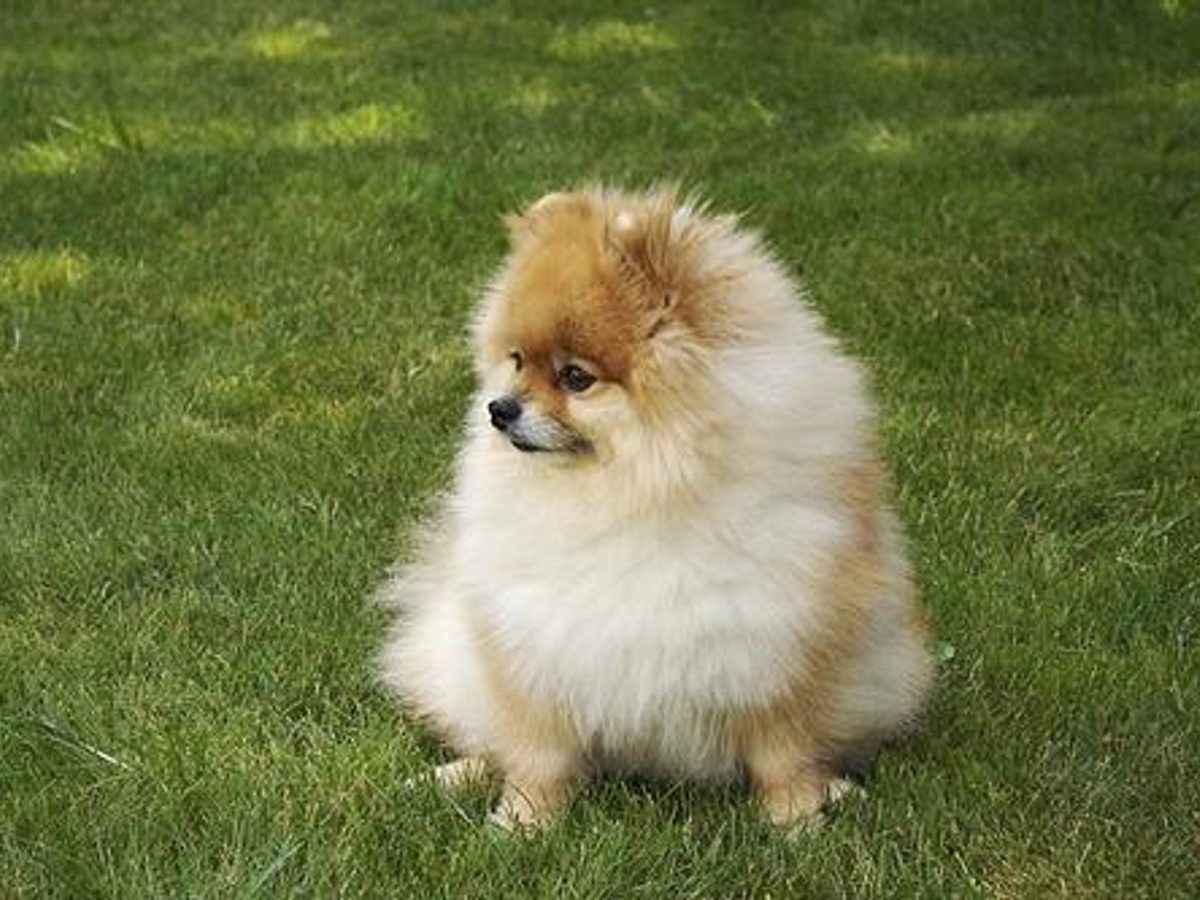
Nail Trimming Guide
Expert Guide
Nail Trimming Guide
for Great Pyreneess
How Often to Trim Your Great Pyrenees's Nails
Nail length affects posture, gait, and long-term joint health — and for a Great Pyrenees, the right trimming schedule depends on activity level as much as breed. Most Great Pyreneess need nail trims every 3–4 weeks if they walk primarily on grass or carpet, and every 2–3 weeks if nails aren't wearing down naturally on pavement. With a long, thick, flat outer coat with dense woolly undercoat — white double coat, pay extra attention to dewclaws, which don't wear down from walking and are easy to overlook under longer leg feathering. Align nail care with your broader grooming routine of every 4-6 weeks — many owners trim nails at every bath or brush session so it never becomes an emergency.
Signs Your Great Pyrenees Needs a Trim
The clearest test is auditory: if you hear clicking on hard floors when your Great Pyrenees walks, the nails are too long. Visually, nails should not extend past the pad when the dog is standing on a flat surface — they should sit just above or flush with the floor. Overgrown nails force the toes to splay outward, which shifts weight onto the pastern joints and can cause chronic pain that owners mistake for arthritis. For Great Pyreneess rated "Hard" for grooming, nail trims are often the one task owners attempt at home before anything else — but a wriggly dog with dark nails and a complex coat around the feet makes professional help worthwhile until you're confident. Redness around the nail bed or limping after a walk always warrants an immediate check.
Gear for Great Pyrenees nail trimming guide
Coat-matched picks — buy once, use every groom.
Brush

Chris Christensen Big G Slicker Brush
The gold standard for poodles and doodles. Features long pins that penetrate deep into dense coats to remove tangles and fluff the hair.
Nail Care

Miller's Forge Quality Nail Clipper
Used by professional groomers worldwide. Made of high-quality Italian stainless steel with a heavy-duty spring for clean, sharp cuts.
Step-by-Step Nail Trimming Technique
Restraint matters more than the clipper brand. Position your Great Pyrenees on a non-slip surface — a grooming table with a loop, or seated between your legs on the floor for smaller dogs. Hold the paw firmly but gently, press the pad to extend the nail, and identify the quick (the pink vein inside light nails; on dark nails, trim in 1–2 mm increments until you see a dark dot in the center). Cut at a 45-degree angle, parallel to the nail's natural curve, taking only the hooked tip. Clear the hair around each toe on the Great Pyrenees before clipping — long, thick, flat outer coat with dense woolly undercoat — white double coat feathering obscures the nail and is the most common cause of accidental nicks. A nail grinder is an excellent alternative for dogs who fear clippers — it removes material gradually and reduces the risk of cutting the quick, though it takes longer and produces nail dust you'll want to do outdoors.
What to Do If You Cut the Quick
Cutting the quick happens to every owner eventually — it bleeds, the dog reacts, and both of you are shaken. Stay calm: apply styptic powder or cornstarch directly to the nail and hold gentle pressure for 30–60 seconds until bleeding stops. If you don't have styptic powder, a clean bar of soap pressed into the nail works in a pinch. Don't continue trimming that session — let your Great Pyrenees recover and try again in a few days. A breed-specific note for Great Pyrenees owners: Never shave a Great Pyrenees' double coat — the thick outer coat and undercoat protect the dog from both cold and sun. Shaving removes the natural sunburn protection from the skin beneath the white coat and can permanently damage coat texture. If bleeding doesn't stop within 5 minutes, or the nail looks infected in the following days, contact your vet. Regular small trims keep the quick receded over time, making future sessions safer and easier.
Tools for Great Pyrenees Nail Care
A quality pair of scissor-style or guillotine clippers sized to your dog's nail thickness is the baseline — replace them when the blade dulls, as crushed nails split and hurt more than clean cuts. A nail grinder (Dremel-style rotary tool with a pet guard) suits Great Pyreneess who tolerate vibration better than the snap of clippers. Keep styptic powder, treats, and a non-slip mat in a dedicated nail kit so you're never searching mid-session. For the Great Pyrenees's long, thick, flat outer coat with dense woolly undercoat — white double coat, add a small pair of grooming scissors to trim foot feathering before nail work — visibility is everything. Professional groomers include nail trims in full-service appointments, which is worth considering given this breed's "Hard" grooming rating.
Pro Tip from Groomas
Never shave a Great Pyrenees' double coat — the thick outer coat and undercoat protect the dog from both cold and sun. Shaving removes the natural sunburn protection from the skin beneath the white coat and can permanently damage coat texture.
S
Sarah Jordan
Verified ExpertCertified Master Groomer
With over 15 years of competitive grooming experience, Sarah ensures every guide on Groomas meets the highest professional standards.
Certified Master Groomer (CMG)AKC Safety Certified
Recommended Gear for Great Pyreneess
Brush
Chris Christensen Big G Slicker Brush
The gold standard for poodles and doodles. Features long pins that penetrate deep into dense coats to remove tangles and fluff the hair.
Nail Care
Miller's Forge Quality Nail Clipper
Used by professional groomers worldwide. Made of high-quality Italian stainless steel with a heavy-duty spring for clean, sharp cuts.
Shampoo

TropiClean PerfectFur Whitening & Brightening Shampoo
Naturally whitens and brightens white coats without bleach or harsh chemicals.